Most household and construction debris is fine. What complicates things in New Jersey is that the state sorts waste into types, and the type decides which permitted facility may accept the load.
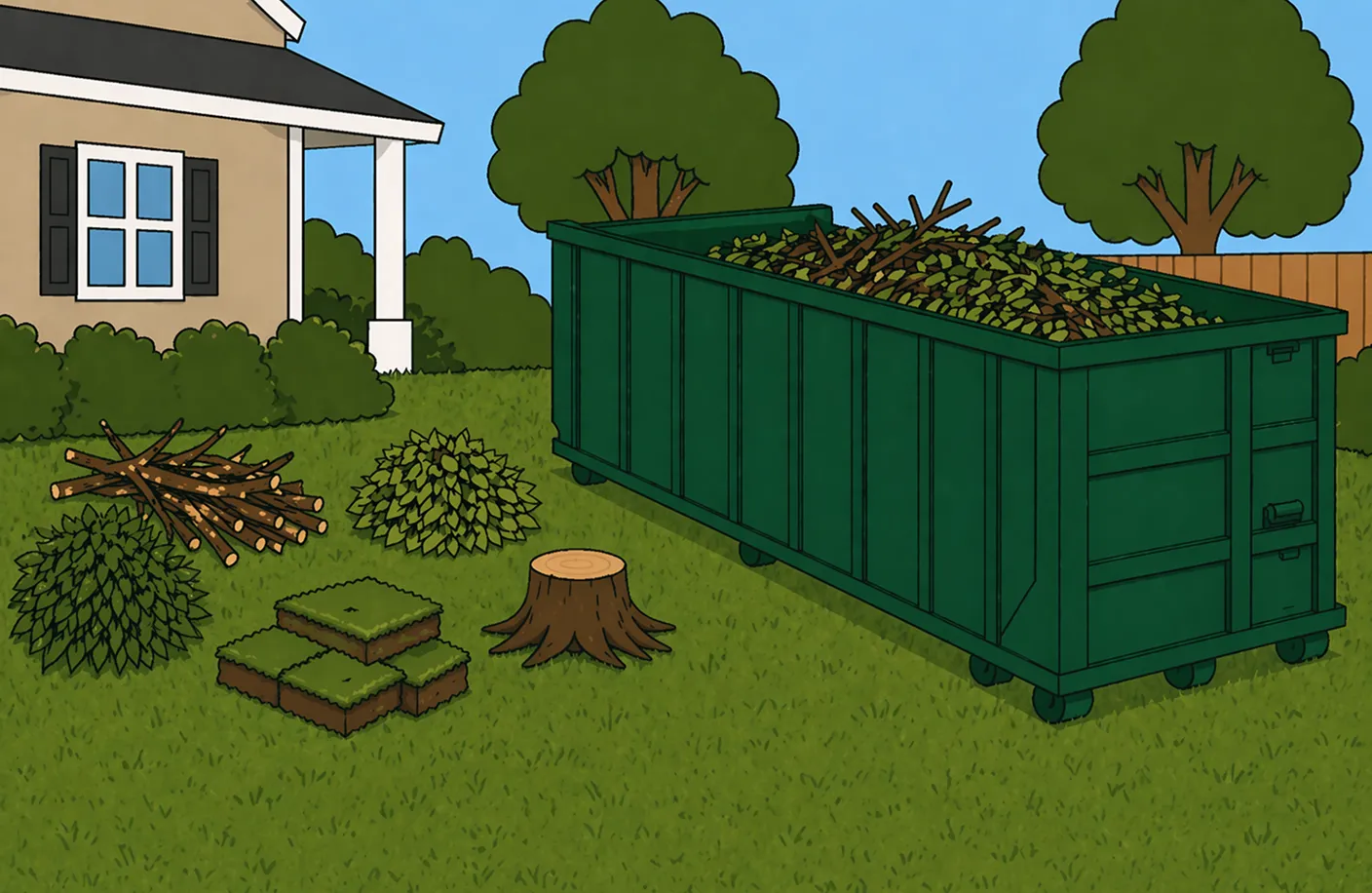
The New Jersey Department of Environmental Protection uses numbered waste types for this. Ordinary household and commercial trash counts as municipal waste. Bulky waste covers appliances, trees and branches. Construction and demolition debris has its own bulky-waste category. Vegetative waste, dry industrial waste and semi-liquid waste are each separate again. A facility is only permitted for particular types, so mixing kitchen trash into a clean demolition load can change where your container has to go and what it costs.
Asbestos is its own regulated waste type in New Jersey and can never travel in a mixed container. If your building is old enough that asbestos is a possibility, that is licensed removal work on a separate route, and it is worth testing before demolition starts.
Hazardous waste, liquids, paint, solvents, fuel, used motor oil, propane tanks and car batteries stay out of any standard container. Tires, refrigerant appliances and large electronics need separate handling as well, so name them when you book.
Unsure where something belongs? Ask your account manager before it goes over the side.